Gordon Prentice at Large - Politics in Newmarket





- Details
- Written by: Gordon Prentice
Over three years ago at the Glenway Lessons Learned meeting, Regional Councillor wannabe Chris Emanuel told me too much is kept secret at the Town Hall and that should change. 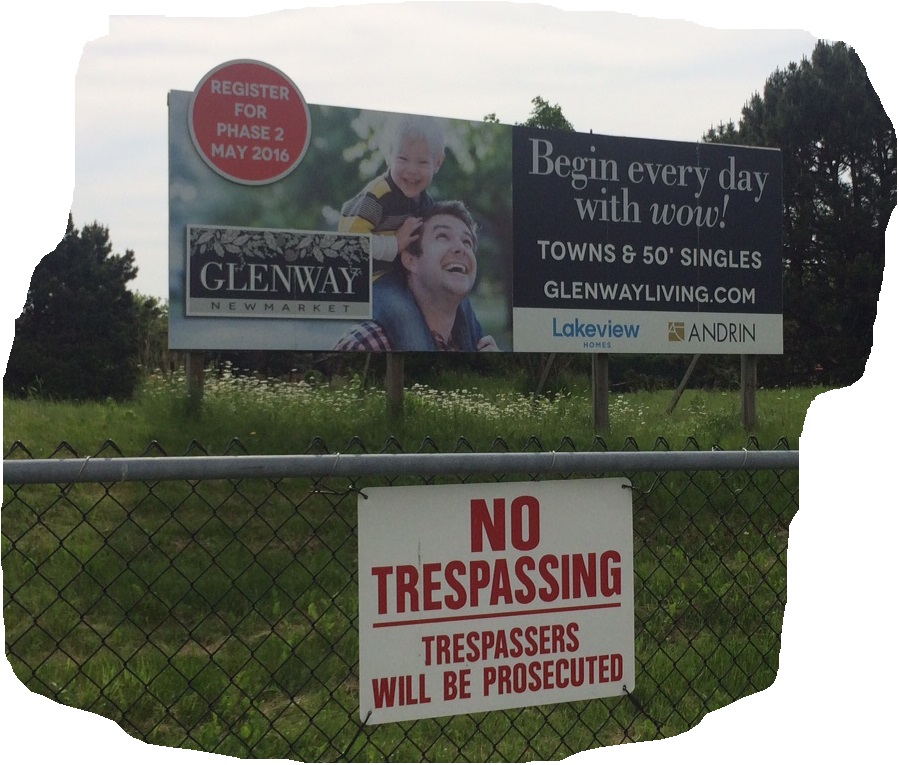
Chris is running for Regional Councillor, having previously been Newmarket’s Ward 7 councillor for three terms. In 2014 he left to get a taste of work in the private sector but now aims to return to Newmarket politics – this time as Regional Councillor and Deputy Mayor.
I think it would do his campaign a world of good if he were to lift the lid on the Town’s secrets. What examples would he cite? And what would he do about them?
The first Robocall of the season
In his Robocall to voters last week he talks sonorously about his big, bold and positive platform. But there is nothing about opening up the Town Hall.
Chris was councillor for Glenway when a golf course threaded its way through the neighbourhood. Now the fairways and putting greens are being built over. The Town’s decision made in 2008 in closed session not to acquire the Glenway lands has had a profound effect on the lives and personal finances of hundreds of families in Ward 7. The public found out about that 2008 decision in 2015 – years after the die was cast.
In June 2015 I was musing about the Glenway “Lessons Learned” meeting:
What happens to people when they become councillors? They are sucked into a system where information is hoarded. This distorts public policy and stunts the conversation we should all be having about the future of our Town.
When councillors told Glenway people on 25 November 2013 they were backing them at the OMB – and they felt their pain – they had already considered buying the Glenway lands - and decided not to - but no-one knew.
John Taylor, Tom Hempen, Christina Bisanz and Dave Kerwin kept their thoughts to themselves. Former councillor Chris Emanuel is present and speaks often. He tells me too much is kept secret and that should change.
Secrecy allows the Town’s senior staff to control the narrative. Few elected officials have the time or inclination to burrow deep into policy areas and stay there, checking up on the details.
When senior elected officials like John Taylor tell us that almost all confidential material discussed in closed session eventually comes out of camera I simply don’t believe it. Statements like that are contradicted by the evidence.
Councillors need space
Of course, councillors have got to be given space to consider policy options and kick ideas around but once matters are decided there is no reason to keep decisions locked away for ever. “Embarrassment” or “poor judgement” are not good reasons to keep information sealed indefinitely.
I have been trying for years to get sight of the reports and minutes of the confidential report on the so-called “agreement in principle” on the proposed Clock Tower development that went to councillors over five years ago on 24 June 2013. Despite my best endeavours it is still off limits.
The then Town Solicitor and now Commissioner for Corporate Affairs, Esther Armchuk, told me on 23 February 2016:
“The details of the proposed land exchange are confidential at this point as they involve the potential acquisition disposition of Town lands.
If or when the developer's development application comes before Council, the details of the requested land exchange will likely become public information."
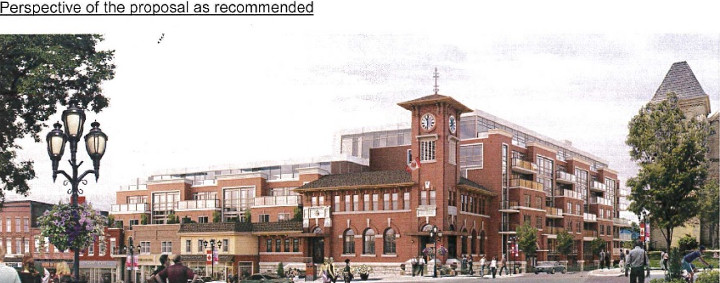
The Clock Tower’s New Development Concept
The Town and Bob Forrest have now come to an agreement. Forrest would withdraw his plan for the Clock Tower in favour of a “New Development Concept” that we have yet to see. We know the new development will not involve the demolition of historic commercial properties but, other than that, things are opaque.
There are agreed Minutes of Settlement and the transfer of lands and easements was completed by the 30 July 2018 deadline. The only matters outstanding concern the formal registration of the land titles.
Once that happens there is no reason why the documentation from 24 June 2013 should not be made available.
Last week I put in yet another Freedom of Information request for this material. My earlier ones had all been turned down.
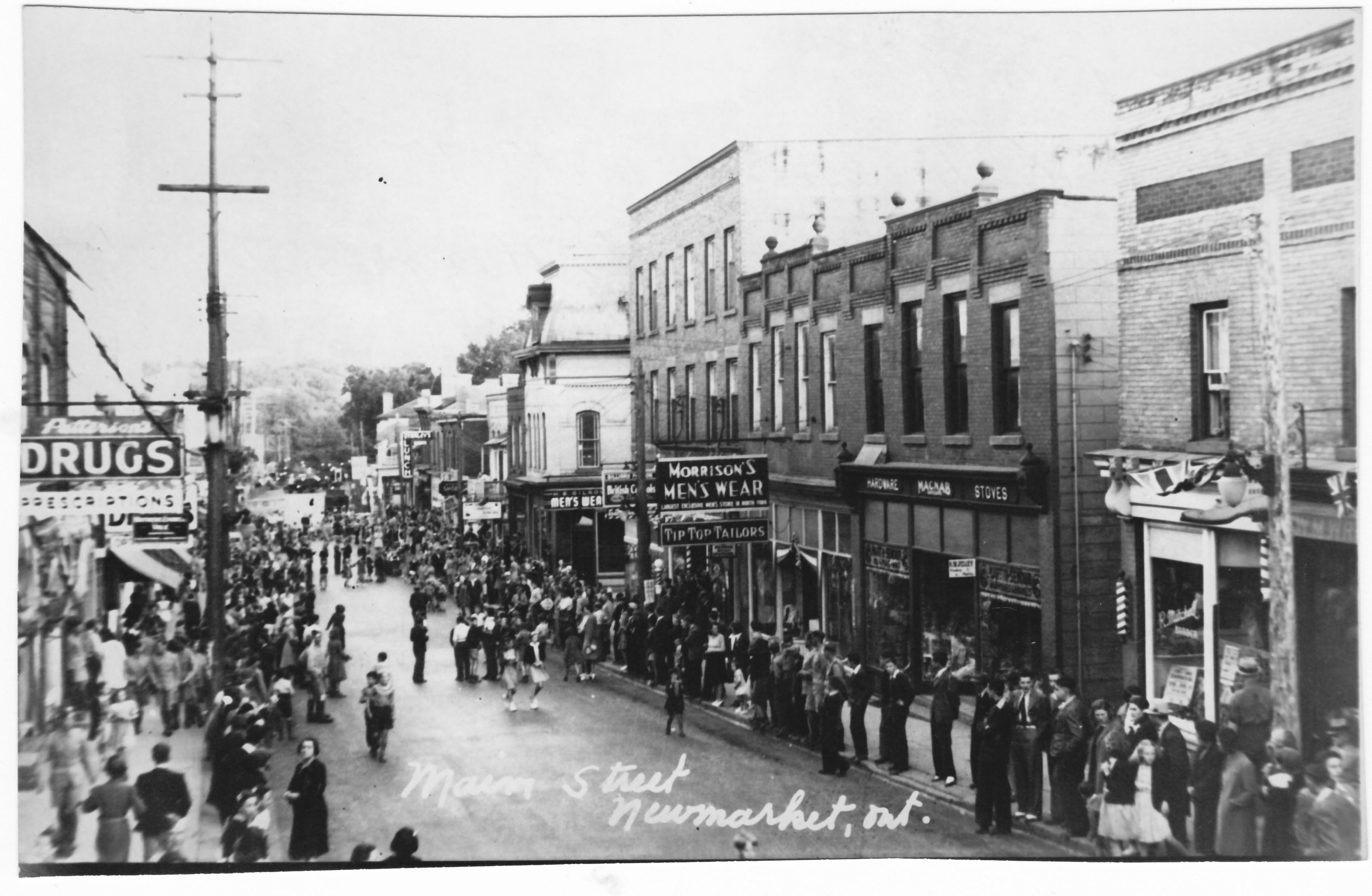
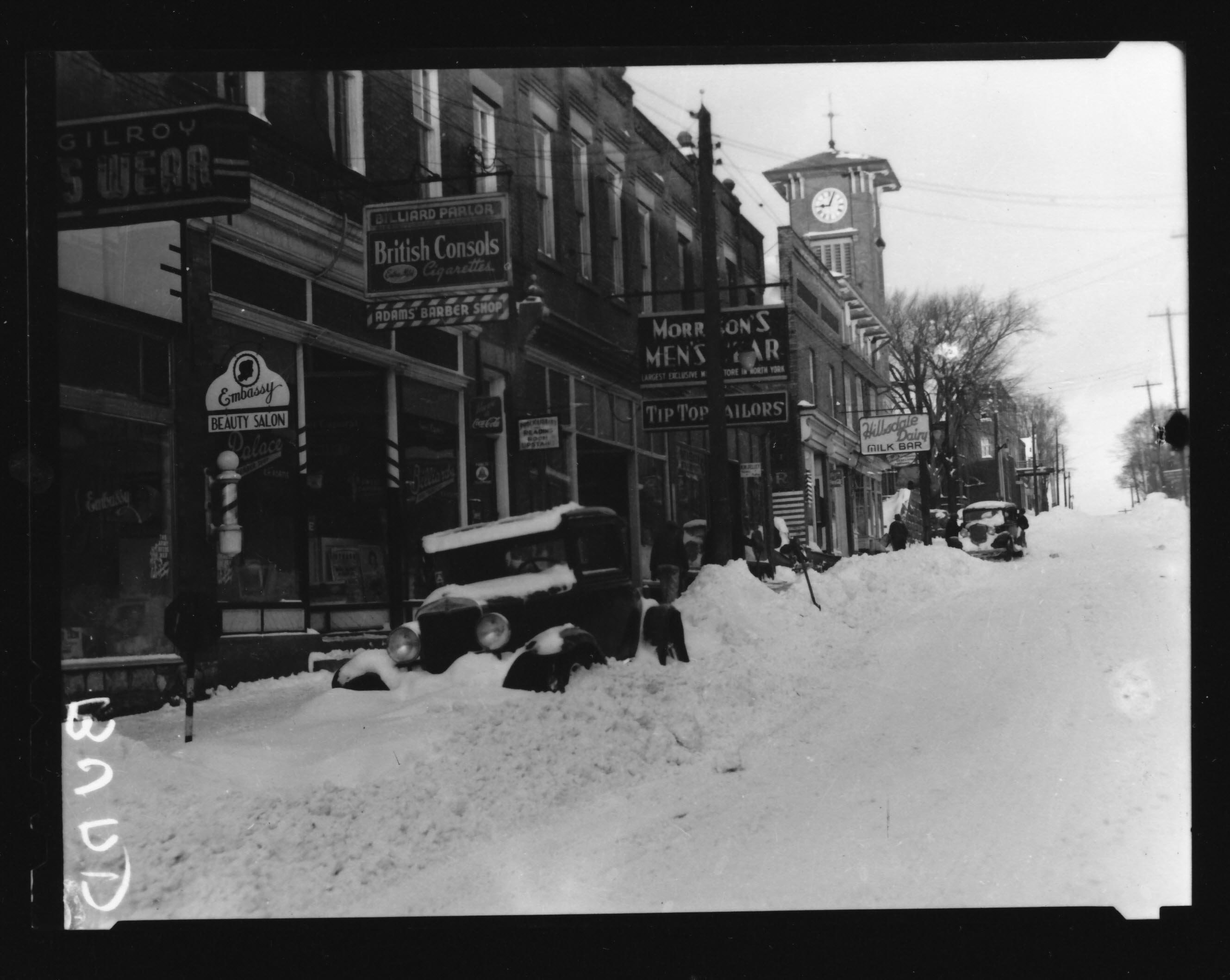
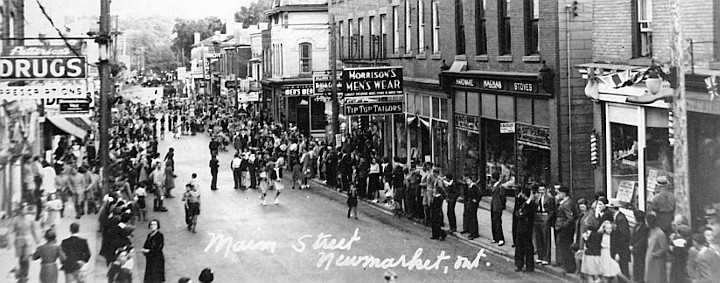
For years, a central part of the historic downtown has been blighted with shuttered stores and dereliction. Traders were evicted to make way for a redevelopment that was stopped in its tracks by the pressure of public opinion.
I think it's time for us all to see what form that “agreement-in-principle” took in June 2013 and what we can now learn from the process.
- Details
- Written by: Gordon Prentice
Friday at 2pm.
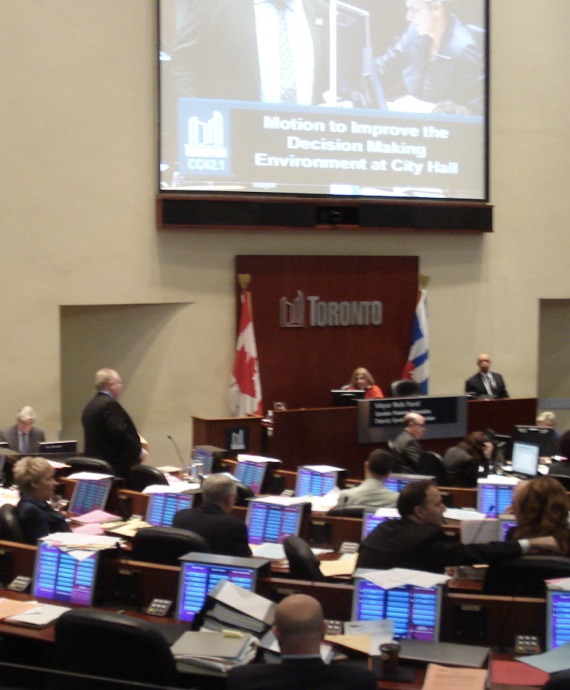
We learned earlier this week about the “absolutely huge task” facing staff at Toronto City Hall as they struggle to prepare for the October 22 election.
The challenges include numbering new voting subdivisions, recalculating spending limits for candidates, creating a new plan for communicating boundary changes and preparing new preliminary voter’s lists.
The Minister of Municipal Affairs, Steve Clark, told MPPs yesterday in the first day of the Second Reading debate on Bill 5:
“Candidates for council would now have until September 14 to decide in which of the new wards they wish to run. This would be done in time for the October 22 municipal election.”
Advance voting starts on October 6.
Last week, the city clerk Ulli Watkiss told Toronto councillors:
“I can’t even print ballots in three weeks.”
So is it doable? What if the risks of something going wrong are very real?
Would the Province still press ahead?
Council staff are making decisions now in anticipation of the legislation being passed. But what if it isn’t?
Toronto “a Creature of the Province”
We hear constantly that the City of Toronto is a creature of the Province and that it (the Province) can basically do what it likes. We are told precedent favours this interpretation.
But this morning I read Professor Craig Scott – a former MP – pronouncing that the current City of Toronto Act has a provision whose express purpose is
“to prevent amending council composition in the same year as an election”.
He says Bill 5 can’t override this.
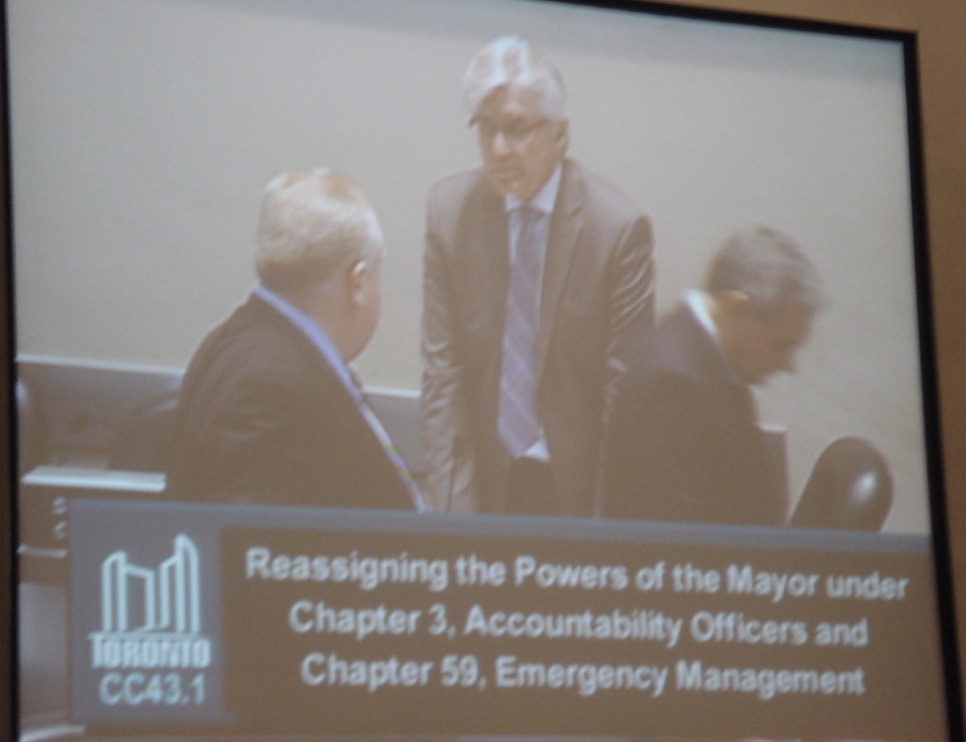
Under our system one Parliament cannot bind its successor but Professor Scott argues that the “manner and form” of the City of Toronto Act would, in some way, tie the hands of the Ford Government. Clearly, this is something for the constitutional scholars to wrestle with - and I assume the Government’s legislative counsel would have drafted Ford’s Better Local Government Bill with Professor Scott’s arguments in mind.
In any event, it is clear fast track legislation like Bill 5 will pose problems for the normal Parliamentary procedures at Queen’s Park. As a single Chamber legislature there is no Second Chamber to apply a brake or delay things. And the Courts cannot intervene to question an Act of Parliament on procedural grounds. If it is rushed through the Legislature it has the same weight and standing as any other Act of Parliament.
No opportunity for comment
Indeed, Bill 5 could zoom through Queen’s Park without any opportunity for expert outside bodies or interested members of the public to express a considered view. MPPs opposing the Bill would be at a huge disadvantage, unable to call on expert evidence from outside, making it harder for them to critique the legislation and its consequences.
In yesterday’s Second Reading debate, the Minister responsible for bringing in the Bill, Steve Clark, told MPPs:
“The current size of Toronto city council hinders decision-making. Debates are time-consuming, inefficient and costly. Forty-four independent councillors, each with their own agenda and outlook, hamstring the city’s decision-making on so many, many issues the city is facing.”
Lots of PC MPPs branded Toronto City Council as “dysfunctional”.
But surely it cannot just be about the size of the Council?
Toronto City Council is, of course, not organised on Party lines. Political Parties have many well documented imperfections and failings but, at their best, they provide coherence and discipline in a way that is impossible with a bunch of free-thinking, independently minded and sometimes awkward councillors. Whether the number is 47, 44 or 25.
But that’s the way Queen’s Park wants it.
Yesterday’s Opposition Motion calling for the withdrawal of Bill 5 was lost 35-68.
Bill 5 returns to the floor of the Legislature next Tuesday when the Second Reading debate resumes.
Update on Tuesday 7 August 2018: Globe and Mail editorial: Doug Ford's rant about "more politicians" is wrong.
- Details
- Written by: Gordon Prentice
Wednesday at 2.30pm
This morning’s Toronto Star tells me the NDP will delay Ford’s plan to cut Toronto city council and axe the elections for Regional Chairs by using “legislative procedural tactics”. 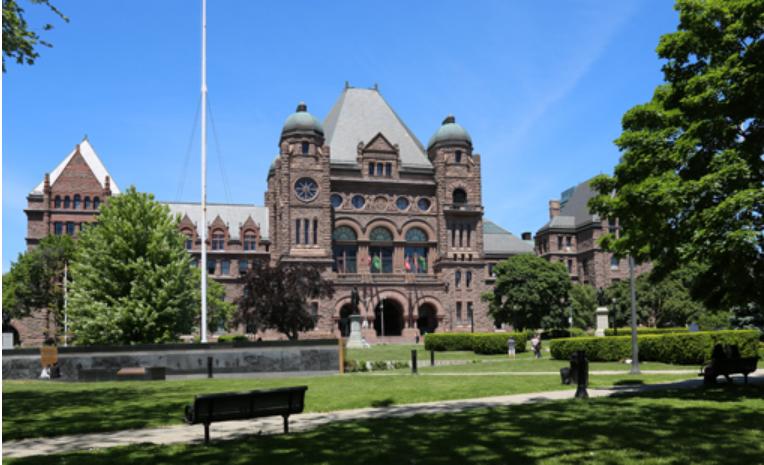
I approve.
However, the excellent Queen’s Park reporter, Robert Benzie, who originally broke the story, does not tell us what impact this procedural fancy-dancing will have beyond delaying the passage of the Bill by two days.
Tomorrow afternoon (2 August) the Leader of the Opposition will have 12 minutes to speak to the following Private Members’ Motion
Ms. Horwath — That, in the opinion of this House, the Government of Ontario should not meddle in municipal or regional elections and should withdraw Bill 5 as the government did not campaign on interfering in elections in Toronto, Muskoka, Peel, York and Niagara and changing the rules of a democratic election in the middle of a campaign period is undemocratic, un-Ontarian, and un-Canadian; and fails to reflect widely held beliefs that decisions about our democracy should engage citizens so they have their say about any changes to the electoral processes.
After a mini-debate she will have a further two minutes to sum up. Rather than bellowing at the Government benches, complaining yet again about Ford’s bullying, I hope she will try to find out how the Government intends to proceed. I take it as a given Ford is not going to pull the Bill just because she asks nicely.
Tight timetable
The Government is up against the clock. The elections are on 22 October and we are already into August and MPPs haven’t had a summer break. It will be a huge rush to get the Bill enacted without in some way truncating the legislative process.
Which brings me to the question: Which procedural devices are going to be used to get the Bill through in double quick time and what can be done to frustrate this?
What about the Bill’s Committee Stage? How many sessions will there be? Presumably Toronto City Council will be invited to give evidence. What about the candidates for the Regional Chair elections in York, Peel, Niagara and Muskoka? Will they be recompensed for the sums they have already spent on their campaigns?
Retroactive
The Better Local Government Act allows for retroactivity. The nomination day as set out in Section 31 of the Municipal Elections Act 1996 (the fourth Friday of July in the year of the election) “is deemed not to have occurred”.
And the Bill allows the Minister to make Regulations “varying the operation of any provision of this Act”.
I can already see the Minister walking behind the cart horse cleaning up the mess of unforeseen and unintended consequences.
It seems to me it will be quite impossible for the Government to get this Bill through in time if it goes to a Standing Committee for scrutiny in the usual way.
More likely, after the Bill gets its Second Reading, it will go straight to a Committee of the Whole House (that is, the entire legislature sitting as a committee) which will consider amendments. I can already hear the yelling and ya-booing and accusations of dirty tricks.
As I tap this out, we neither know the timetable nor the plan to get this hugely contentious Bill onto the Statute Book.
For the moment, I am in the dark.